Quick PSA for people not on Substack: Substack is a relatively up and coming social media platform that manages to pretend not to be social media. It hosts much more “long form” content and offers writers a way to publish and monetize their newsletters.
That being said: Subscribe to my Substack 🙂
I have seen lots of posts recently that complain about too many posts on “insert any topic of your algorithm here”. Be it too much writing on going analog, too many posts on how to live your life, or too many people telling you how to regain your attention. I get it, it can be annoying to see the same topic being discussed over and over, and it is fair to ask for more creativity and novelty, but I also see a big risk with that sort of thinking.
It seems that what you are supposed to do when you want to write about something that is already widely discussed is accept that someone else was quicker to make the post and leave it at that. They covered the topic well, so you have nothing left to add. The market has already been saturated, so to say. Your options now are to either like the post and shout your support with a big “yassss”, or make your own post about what they are missing or what they are getting crucially wrong. Next time be quicker, so make sure to get your writing out there before anyone else can.
While I don’t want to read the same articles about the same topics all the time either, I find it sad to think that some people carry topics with them that they want to talk about desperately, but don’t because they feel that they are not “adding enough value”. “Bigger” and “louder” voices have already covered their topics, and all they can do now is nod in agreement.
I think this is an inherent problem with any form of platform and social media. While on Substack there seem to be more people who actually care about others, the platform still does not care about you. The reason you can read longer articles on Substack is not because they care about independent journalism, but because this has been their unique selling point to attract users, which is also evident in them switching to more short-form content now that they have a wider user base. While they do not run ads (yet), they do track their KPIs same as any other platform. I would bet my house that there is an Excel sheet somewhere telling you the average time a user spends on the platform before they become a paid user, and that they discussed how to reduce that time at the last quarterly.
The mechanisms on the platform are the same as on other forms of social media, and creators are in competition for the valuable resource that is your attention and your money, which in turn means money for Substack, since they get 10%. Followers and likes introduce hierarchies and perceived merit, and people are trying to game the system by playing the game exactly the way it is supposed to be played, for engagement. You should follow people, comment on posts, like notes and restack them, and scroll until your thumb hurts. In short: do everything to give Substack your time, money, and attention.
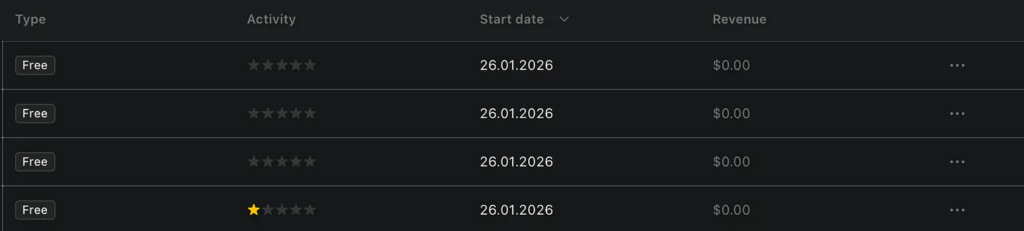
I find it particularly unfortunate that there might be two people who write about similar things, who would be allies under different circumstances, but now see themselves as competitors to captivate their little niche of the internet. After all, why should you pay to subscribe to two people telling you such similar things?
And that one of them then finds that they might need to edit their style and tone, or create “a formula” to set themselves apart and target a different audience to find success.
I wish to see a million posts on Substack saying the same thing in a million different ways, if those are the most genuine and authentic ways for people to express themselves. You do not always have to add the extra layer and the newest perspective. Someone who sees things very similarly to you is an ally. We should not be in competition with each other but in solidarity. When you submit to a logic of likes and engagement, you will eventually feel that you have to set yourself apart, especially when your genuine self is not giving gaining you the public attention you want.
In the past, loads of people feeling and thinking the same things seemed to have led to more connection than it does right now. Collective grief and anger is a prime motivation for going out on the streets and making your voice heard. You speak your mind in your communities, classes, and at your dinner table. If now you do not find these people in real life, it’s okay, you’ve got Substack and you can relieve your emotions online.
Before social media, there might have been a million of the same conversations, but they were held in presence and not shouted into a void to hopefully attract engagement. Having the exact same conversations led to a revolution of thought and opinion, to collective understanding and agreement. It was something to celebrate and something that unified.
If we submit ourselves to a market logic, our voice is only valuable if it can add something new and create more of whichever currency you are dealing with. If you agree with someone on a platform but have nothing to add, then you are forced into the passivity of a like. And a like is not the same as protesting or even signing a petition. It is not even nearly the same as telling someone “I like this” to their face.
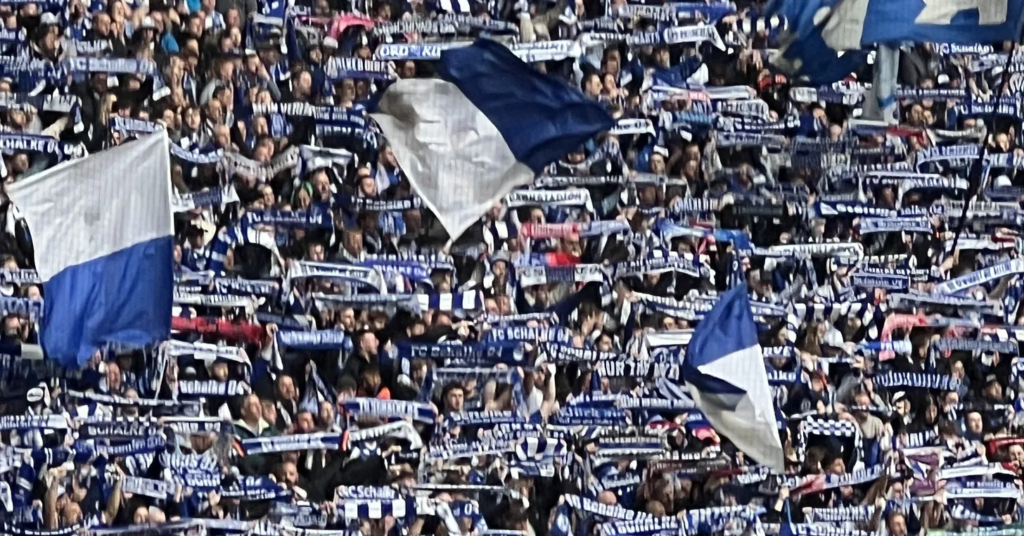
You cannot ignore 100,000 people attending the funeral of Emmett Till, but it is easy to ignore a hashtag with millions of likes and views. Imagine 100,000 people liking a post and you are one of them. There is no connection between you and the others. You do not see or feel them. You are not getting goosebumps the same way you would when singing a song together. You are not sharing the ecstasy of celebrating a goal together or feeling the power of protesting together.
You are all alone behind your screen participating in a flat and lifeless exchange.
Lots of people on Substack write about having found their people and community here. I agree it is one of the most enjoyable corners of the internet, and it is uplifting to find like-minded people, but it is not a substitute for community. A community is real and in the world. It consists of people you can touch and see. It cannot be taken away from you because somebody tweaks an algorithm, and it does not pit its members against each other through competition.
True community can only be found in genuine interactions with each other. We cannot rely on big corporations to facilitate those interactions. They do not love us. They just want our money.
Not Wikipedia tho.
PS: When I tried to publish the post it told me to add “subscribe buttons” 🙂
Leave a Reply